
Call Us
Casino games, at their core, are designed to engage human psychology, and understanding how these psychological elements influence decision-making is crucial for any player looking to refine their approach; the thrill of anticipation, the near-miss phenomenon, and the illusion of control all play significant roles in how players perceive their chances and continue to participate, making a platform like tropicanza casino an interesting place to observe these dynamics.
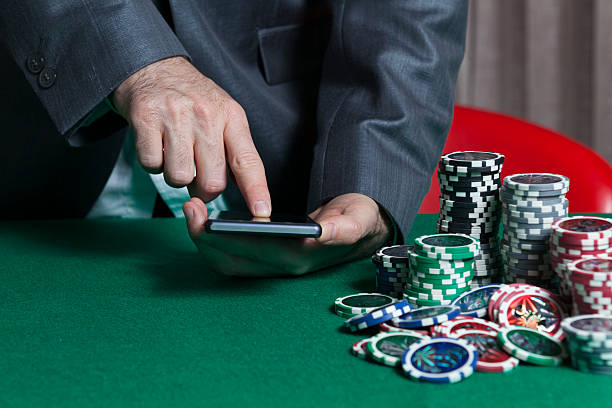
The very architecture of a casino environment, from the ambient lighting and sound to the layout of the gaming floor, is engineered to foster a state of focused immersion and excitement. This sensory engagement can lead to altered perceptions of time and risk, making it easier for players to get carried away with their betting. Recognizing these environmental factors is the first step in maintaining a more objective perspective.
The fundamental dynamic in any casino experience revolves around the interplay of risk and reward. Players are constantly evaluating the potential for gain against the certainty of loss. A well-honed gambling strategy involves not just understanding the odds of a particular game but also mastering the emotional response to both wins and losses. This emotional regulation is paramount for sustained play and strategic decision-making.
The concept of "asset psychology" in gambling refers to how players perceive and manage their "assets" – essentially, their bankroll and their perceived edge. Understanding that a bet is not just a monetary transaction but a psychological commitment can help players make more rational choices. This involves setting clear limits, understanding when to walk away, and avoiding chase-losses mentality.
Several common cognitive biases can significantly impact a gambler's strategy. The gambler's fallacy, for instance, is the mistaken belief that if something happens more frequently than normal during a given period, it will happen less frequently in the future, or vice versa. This can lead to poor decisions in games of chance like roulette or slot machines.
Another prevalent bias is the "hot hand" fallacy, where a player believes that a streak of wins indicates a temporary surge in skill or luck, leading to increased bets. Conversely, the "near-miss" effect, where a player comes very close to winning, can create a strong psychological incentive to continue playing, even if the odds are not favorable. Awareness of these biases is key to mitigating their influence.
A disciplined mindset is perhaps the most valuable asset a gambler can possess. This involves establishing a clear strategy before playing, sticking to predetermined betting limits, and treating gambling as entertainment rather than a guaranteed source of income. Developing this discipline requires self-awareness and a commitment to rational decision-making, even when emotions run high.
The ability to detach emotionally from the outcome of a bet is a hallmark of a successful gambler. This doesn't mean losing interest, but rather being able to analyze performance objectively, learn from mistakes, and adjust strategy without succumbing to frustration or overconfidence. This measured approach is essential for long-term engagement with casino entertainment.
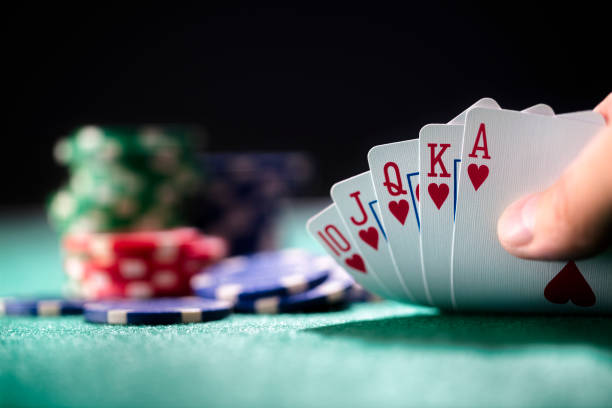
Tropicanza offers a diverse range of casino games that cater to various player preferences, providing an accessible platform for individuals looking to explore their strategies. The site's design aims to create an immersive environment, allowing players to focus on the gameplay and test their decision-making skills within a controlled setting. Understanding the psychological aspects of gambling can enhance the experience offered by platforms like Tropicanza.
By providing a structured and user-friendly interface, Tropicanza allows players to practice responsible gaming habits. Setting limits and understanding the psychology behind betting can help ensure that the entertainment value remains high, while risks are managed effectively. Exploring the various games available on Tropicanza can be a rewarding way to apply learned strategies and gain further insight into personal playing styles.